

How to Care for a Persian Cat in India's Heat, Monsoon, and Hill Cold
A Persian cat's coat was shaped by British cat shows and centrally heated drawing rooms, not by a Delhi summer, a Mumbai monsoon, or a Manali winter. In 2025, Preventive Vet listed Persians among the brachycephalic breeds at the highest heatstroke risk in hot weather, because their shortened airways limit the panting that helps cats shed heat (Preventive Vet, Flat-Faced Cats and Hot Weather, retrieved 2026).
That single fact explains a lot of the questions we get from Persian owners across India. The advice that works for a Persian in London doesn't transfer cleanly to a country where one city can hit 48°C in June while another is wrapped in monsoon humidity for three straight months, and a third is shivering through a Himachal winter.
This guide breaks Persian care down by India's major climate zones, then tackles the question that comes up in nearly every conversation we have with Persian owners: should you shave your cat for summer or monsoon? We'll give you a straight answer, not a "depends on your cat" shrug.
The Gist
- Persians are brachycephalic, built for cool, dry climates, and at elevated heatstroke risk in Indian summers (Preventive Vet, 2025).
- In a 2020 study, 36.17% of Persian cats carried subclinical ringworm versus 4.0% of domestic shorthairs, and humid climates raise that risk further (Veterinary World/PMC, 2020; BIO Web of Conferences, 2021).
- Grooming needs shift by region: daily brushing everywhere, but bath frequency and fungal checks should rise sharply during monsoon.
- On shaving: the veterinary consensus leans firmly against full shaves for cooling. Save trimming for severe matting only, and have it done by a professional.
Why Persian Cats Struggle With Indian Weather in the First Place
Two things make Persians a poor fit for most of India's climate, and neither is fixable with a haircut. The first is their face. The second is their coat.
Persians are brachycephalic, meaning their skull and airway are shortened compared to a typical domestic cat. International Cat Care notes this flattened structure is part of what makes the breed's grooming demands so high in the first place, since the face shape affects everything from tear drainage to how efficiently the cat can pant (iCatCare, Persian cats and brachycephaly, retrieved 2026). Panting is a cat's emergency cooling mechanism. A Persian has less of it to work with.
Then there's the coat itself. Persians carry a dense double coat, a long, harsh guard layer over a soft, insulating undercoat, designed to trap heat, not release it. That's the part owners underestimate: the coat isn't just "a lot of fur to brush." It's functionally a built-in sweater that a Persian cannot take off, in a country where most homes don't have central air conditioning running around the clock.
Without daily grooming, that coat mats fast. iCatCare notes Persian cats can develop mats within 24 to 48 hours of skipped brushing, especially in the armpits, behind the ears, under the tail, and around the neck (iCatCare, retrieved 2026). PetMD goes further, recommending daily brushing and weekly baths for Persians specifically because of how thick and naturally oily their coat is (PetMD, Persian Cat Breed Profile, updated 2023).
In a country where summer temperatures, monsoon humidity, and hill-station cold can all show up within a few hundred kilometers of each other, that single grooming routine has to flex hard depending on where you live. Here's how.
Caring for a Persian Cat in North India's Dry Summer Heat
In 2025, parts of Rajasthan hit 48.0°C during the India-Pakistan heat wave, with Delhi crossing 40°C repeatedly through April, and vets across the city reported a rise in dehydration, heatstroke, and respiratory distress among pets (Wikipedia, 2025 India-Pakistan heat wave; ThePrint, As Delhi sizzles, rising heat takes a toll on animals, 2025). For a brachycephalic, double-coated breed, that's not background weather. It's a direct health risk.
The dry heat of North India, Delhi, Punjab, Rajasthan, and much of the Gangetic plain, is arguably the hardest climate for a Persian to handle on paper, but it's also the most manageable with consistent indoor routines, because the air itself isn't working against you the way humidity does.
What actually helps:
- Keep your Persian indoors during peak heat hours, roughly 11 AM to 4 PM, away from direct window sun. Glass intensifies heat even with the AC running.
- Run a fan or AC in the room your cat spends most of its day in. Persians don't need an icebox, just a room that stays meaningfully cooler than outdoor temperature.
- Provide multiple water bowls in cool spots around the home. Heat-stressed cats often drink less, not more, so accessibility matters more than quantity.
- Brush daily, but in the coolest part of the day, usually early morning. A mat-free coat traps less heat against the skin than a matted one, even though the coat itself stays on.
- Bathe every 15 days to once a month during summer. More frequent baths in the dry heat can strip the coat's natural oils without meaningful benefit.
- Watch for early heatstroke signs: open-mouth breathing, drooling, lethargy, or a cat sprawled flat on a cool floor surface for long stretches. Any of these warrants an immediate vet call, not a wait-and-see approach.
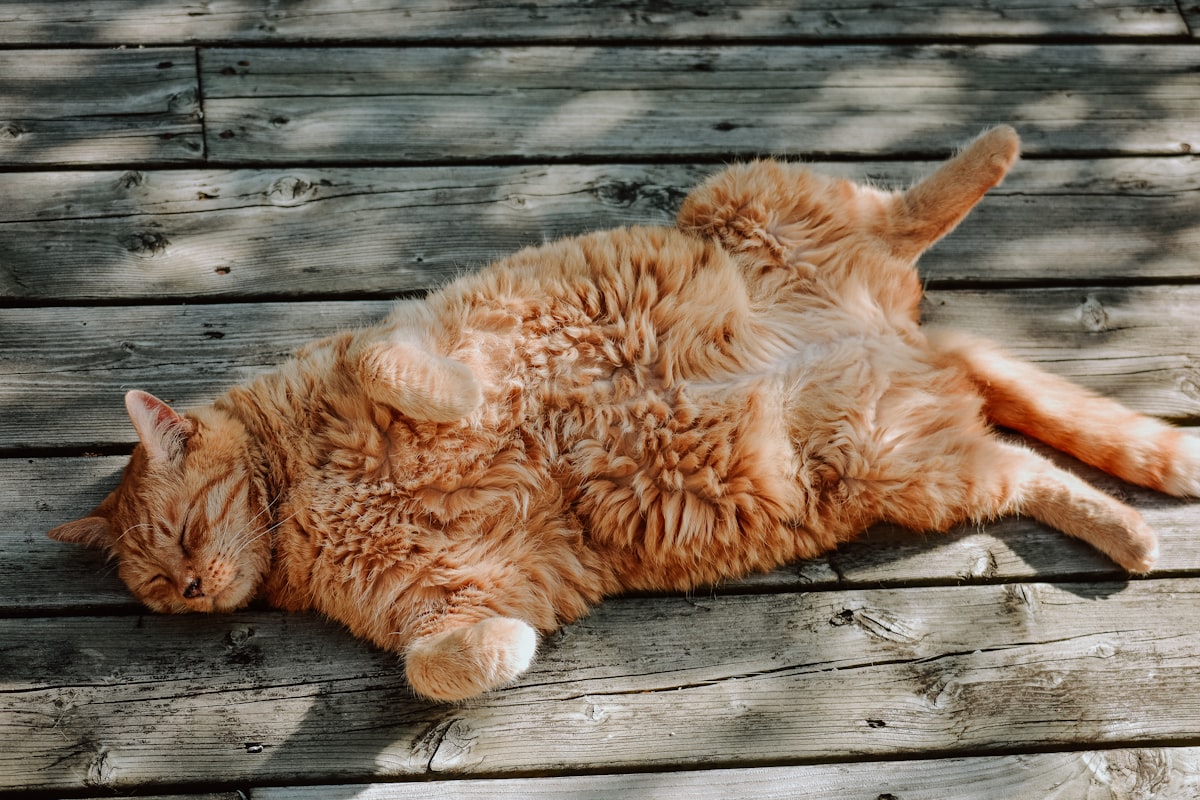
One more thing worth saying plainly: a Persian sprawled flat on cool marble for hours in a Delhi summer isn't necessarily "chilling." It can also be a cat trying to dump heat through the only uninsulated surfaces it has, its belly and paw pads. If you notice this paired with heavy breathing, that's your cue to act, not a cute photo opportunity.
Caring for a Persian Cat During Monsoon and Humid Coastal Climates
If North India's heat is the hardest climate on paper, monsoon and coastal humidity, think Mumbai, Goa, Kerala, Chennai, or any stretch of the west and south coast through the monsoon months, is where Persian-specific health risks actually show up in vet clinics.
In a 2020 study published in Veterinary World, long-haired cats had a dermatophytosis (ringworm) prevalence of 34.92%, compared to 6.25% in short-haired cats, an eight-fold difference (Sattasathuchana et al., Dermatophyte and dermatophytosis in pet animals, Veterinary World, 2020). Persian cats specifically showed a 36.17% subclinical ringworm prevalence, versus 4.0% in domestic shorthairs, a statistically significant gap (p<0.001) in the same study.
Humidity makes this worse, not just incidentally. A 2021 review found dermatophyte prevalence as high as 56.7% in a humid subtropical climate, compared to 12.1% in a drier one (BIO Web of Conferences, ICAVESS 2021 review, 2021). Put those two findings together and the picture is clear: a Persian's dense coat, combined with monsoon humidity, is close to a worst-case setup for fungal skin issues.
So what does monsoon care actually look like for a Persian?
- Increase brushing, not just frequency but thoroughness, paying special attention to the underarms, belly, and neck ruff where moisture gets trapped against the skin. Damp fur against skin for hours is exactly the environment dermatophytes thrive in.
- Bathe every week to ten days, and dry the coat completely afterward. A Persian that air-dries slowly in a humid room is a Persian whose coat stays damp for hours, which is the core problem, not an incidental one.
- Watch for early ringworm signs: small circular patches of hair loss, scaly or crusty skin, or excessive scratching at one spot. Given how common subclinical cases are, a vet check at the first sign of skin change is worth it, even if it looks minor.
- Ventilate the room. A dehumidifier or even a well-placed fan reduces the ambient humidity your cat's coat sits in all day, which matters more than people expect.
We hear from far more owners in Mumbai and coastal Kerala about skin and coat issues during July and August than at any other time of year, and it's rarely about the cat being unwell in any dramatic sense. It's small, easy-to-miss things: a slightly matted patch that's gone slightly damp and started to smell different. Catching that early is most of the battle.
Caring for a Persian Cat in Cold Hill Climates Like Himachal Pradesh
Compared to North India's heat and the west coast's humidity, hill climates are the easiest on a Persian's coat, mostly because the coat is finally doing the job it evolved for.
Most healthy adult cats start to be at risk of cold stress below 50°F (about 10°C), according to Hill's Pet, though long-haired, double-coated breeds tend to have somewhat better cold tolerance than short-haired ones (Hill's Pet, How Cold Is Too Cold for Cats, retrieved 2026). A Persian's coat genuinely earns its keep in places like Shimla, Manali, or Dharamshala during winter.
A few adjustments matter:
- Reduce bath frequency to once a month, not grooming frequency. Daily brushing still matters for mat prevention, but baths in cold weather carry a real chill risk if the coat doesn't dry fully and quickly.
- If you do bathe your cat, dry thoroughly and keep the cat in a warm room afterward until completely dry, ideally a few hours, not a few minutes near a heater.
- Provide warm resting spots away from drafts, particularly near (but not directly under) heaters, since direct heat sources can dry out skin and coat further.
- Watch paw pads after walks in snow or on cold stone floors. Persians' shorter muzzles don't affect cold tolerance much, but prolonged contact with cold surfaces can still cause discomfort.
The coat that feels like overkill in Delhi or Mumbai is, in a hill climate, the single biggest reason a Persian does relatively well here without much extra intervention. It's a useful reminder that the "problem" with a Persian's coat in India isn't the coat itself. It's the mismatch between the coat and most of the country's climate.
Should You Shave Your Persian Cat's Coat During Summer or Monsoon?
This is the question we get asked most, and it's where owner instinct and veterinary evidence pull in different directions. The instinct makes sense: if the coat is the problem in heat and humidity, removing it sounds like the obvious fix. The evidence says otherwise, for most cats, most of the time.
PetMD's veterinary team addressed this directly in 2025: cats cool themselves partly through evaporative cooling from saliva as they groom, and shaving doesn't enhance this process, it can disrupt the coat structure that supports it (PetMD, Should You Shave a Cat for Summer?, 2025). In plain terms: shaving a cat for cooling is treating a symptom with a fix that doesn't address the actual mechanism.
Reasons to avoid a full shave:
- It doesn't reliably help with cooling. The coat supports evaporative cooling rather than blocking it, so removing it doesn't translate to a cooler cat (PetMD, 2025).
- Sunburn and skin damage risk. A shaved cat that spends time in sunny windows or balconies faces meaningfully higher sunburn risk, and sun exposure on bare skin can damage Langerhans cells, the skin's immune cells, with long-term skin health implications (PetMD, 2025).
- Regrowth isn't guaranteed or quick. Cat hair follicles run on a 6 to 18 month growth cycle, and a shaved coat can take 6 months to 2 years to regrow fully, sometimes unevenly, occasionally with permanent thin patches in older or repeatedly shaved cats (Today's Veterinary Practice, Alopecia in Cats, retrieved 2026).
- It doesn't actually reduce shedding or hairballs. Consistent brushing over two to four weeks reduces hairballs in long-haired cats more effectively than a one-time shave (PetMD, 2025).
The one legitimate reason to consider a trim:
If a Persian's coat is already so severely matted that mats are pulling on the skin, restricting movement, trapping moisture, or causing visible discomfort, a professional groomer-performed trim, under vet guidance, is the lesser evil. This is mat-removal triage, not a cooling strategy.
One middle ground worth naming here: a trim that leaves 1 to 2 inches of coat all over is meaningfully different from a full shave down to skin level. At that length, the worst sunburn risks are avoided, regrowth is less likely to stall, and the coat still provides some insulation and UV protection. It won't undo matting once it's severe, but for owners who genuinely struggle to keep up with daily brushing through summer, a professional trim to this length is a reasonable compromise. It's not medically required, and consistent daily brushing accomplishes most of the same things, but it's not harmful either.
Our take, plainly: for routine summer or monsoon management, don't shave your Persian. Brush daily, bathe on the schedule that fits your climate zone, and manage heat and humidity in the home instead. If matting has already become severe enough to need intervention, that's a grooming and vet conversation about a targeted trim, not a seasonal haircut. Those are two different decisions, and conflating them is how "shave for summer" became common advice despite the evidence against it.

Frequently Asked Questions
Can a Persian cat survive a North Indian summer without air conditioning?
It's risky without some form of active cooling. Persians are brachycephalic and at elevated heatstroke risk in hot weather (Preventive Vet, 2025), and Delhi's 2025 heat wave saw vets report rising heatstroke cases in pets (ThePrint, 2025). At minimum, use fans, cool tile floors, and shaded rooms, and watch closely for open-mouth breathing or lethargy.
How often should I bathe my Persian cat during monsoon?
More often than in cooler months, roughly every week to ten days, paired with thorough drying. Long-haired cats have a 34.92% dermatophytosis prevalence versus 6.25% in short-haired cats (Sattasathuchana et al., Veterinary World, 2020), and humidity raises that risk further, so a damp, unbrushed coat is the bigger danger than the bath itself.
Is it cruel to give a Persian cat a lion cut?
Not inherently cruel, but it's rarely the right default. The veterinary case against full shaving for cooling is strong: it disrupts evaporative cooling, raises sunburn risk, and regrowth can take 6 months to 2 years (PetMD, 2025; Today's Veterinary Practice). A trim leaving 1 to 2 inches of coat is a reasonable middle ground if daily brushing isn't feasible. A full lion cut down to skin is harder to justify except as mat-rescue triage.
What temperature is too cold for a Persian cat in Himachal Pradesh?
Most healthy adult cats face cold stress risk below 50°F (10°C), though long-haired breeds like Persians tolerate cold somewhat better than short-haired cats (Hill's Pet, retrieved 2026). Provide warm, draft-free resting spots and reduce bath frequency in winter to avoid chilling a damp coat.
The Bottom Line
A Persian's coat is the same coat everywhere in India, but what it needs from you changes block by block on the map. North India's dry heat calls for indoor cooling, early-morning brushing, and baths every 15 days to once a month. Monsoon and coastal humidity demand vigilance against matting and ringworm, with baths every week to ten days. Hill regions need mostly a lighter bathing schedule of once a month.
On the shaving question, the evidence doesn't really leave room for "whatever works for your cat." Full shaves for cooling aren't backed by the science. If you must trim, keep 1 to 2 inches of coat and have it done professionally. Save full shaves for genuine matting emergencies only.
Roushan, Founder - Catscart
Sources
- Preventive Vet, Flat-Faced Cats and Hot Weather, retrieved 2026, https://www.preventivevet.com/cats/flat-faced-brachycephalic-cats-and-hot-weather
- iCatCare, Persian cats and brachycephaly, retrieved 2026, https://icatcare.org/articles/persian-cats-and-brachycephaly
- PetMD, Persian Cat Breed Profile, 2023, https://www.petmd.com/cat/breeds/persian
- PetMD, Should You Shave a Cat for Summer?, 2025, https://www.petmd.com/cat/general-health/should-you-shave-a-cat-for-summer
- Sattasathuchana et al., Veterinary World, 2020, https://pmc.ncbi.nlm.nih.gov/articles/PMC7811543/
- BIO Web of Conferences, ICAVESS 2021, https://www.bio-conferences.org/articles/bioconf/full_html/2021/05/bioconf_icavess2021_06004.html
- Today's Veterinary Practice, Alopecia in Cats, retrieved 2026, https://todaysveterinarypractice.com/dermatology/alopecia-diagnosis-cats/
- Hill's Pet, How Cold Is Too Cold for Cats?, retrieved 2026, https://www.hillspet.com/cat-care/routine-care/how-cold-is-too-cold-for-cats
- Wikipedia, 2025 India-Pakistan Heat Wave, https://en.wikipedia.org/wiki/2025_India–Pakistan_heat_wave
- ThePrint, As Delhi Sizzles, 2025, https://theprint.in/india/as-delhi-sizzles-rising-heat-takes-a-toll-on-animals/2607426/


